
Practical HVAC Energy-Saving Tips to Lower Your Bills and Improve Comfort
In an era where energy prices continue their upward trend, many homeowners are actively seeking straightforward and dependable strategies to significantly reduce their utility bills without compromising on indoor comfort. This comprehensive guide will walk you through a series of easy-to-implement steps and smart upgrades designed to help you maximize the efficiency and performance of your existing HVAC system. By diligently following these expert tips, you can look forward to substantial financial savings, extend the operational lifespan of your valuable equipment, and maintain a consistently comfortable home environment throughout every season of the year. We will delve into crucial topics such as routine maintenance practices, the advantages of investing in highly efficient systems, the transformative role of smart thermostats, practical and immediate fixes for current setups, effective monitoring tools, and a compelling financial analysis for considering major upgrades.
Given that heating, ventilation, and air conditioning (HVAC) systems typically account for a substantial portion of a home’s total energy consumption, dedicating attention to proven energy-saving approaches is not just advisable, but essential for both your wallet and the environment. Understanding how to optimize these critical systems can lead to significant long-term benefits, making your home more sustainable and less costly to operate.
How regular HVAC maintenance helps your system use less energy
Regular and proactive HVAC maintenance is the cornerstone of keeping your heating and cooling systems operating at peak efficiency. These routine check-ups are invaluable for identifying and addressing minor issues before they escalate into costly major breakdowns, thereby extending the overall lifespan of your equipment and, most importantly, substantially lowering your monthly energy costs. Essential tasks such as cleaning or replacing air filters, meticulously checking refrigerant levels, and thoroughly inspecting ductwork are all critical components that contribute to your system’s optimal performance and energy conservation.
What maintenance tasks give the biggest energy benefits?

To ensure your HVAC system operates with maximum energy efficiency, focus on these practical and impactful maintenance steps:
- Replace air filters on a schedule: A dirty or clogged air filter is one of the most common culprits behind reduced airflow and forces your HVAC system to work significantly harder to push air through, consuming more energy. Consistently swapping out filters every 1–3 months, depending on usage and household conditions, dramatically improves both system efficiency and the quality of your indoor air. This simple task can prevent undue strain on your unit and maintain optimal performance.
- Clean ducts and vents: Over time, dust, debris, and allergens can accumulate within your ductwork and vents, creating obstructions that restrict proper airflow. This restriction not only diminishes system performance but also forces your unit to expend more energy to circulate air throughout your home. Periodic professional cleaning helps the system move air more easily, ensuring consistent temperatures and keeping rooms more comfortable while reducing energy waste.
- Verify refrigerant levels: The refrigerant is vital for your air conditioning system’s ability to cool effectively. Low refrigerant levels can severely reduce cooling efficiency, leading to higher energy consumption as the system struggles to reach desired temperatures. Having these levels checked and adjusted by a qualified technician during routine service ensures your system runs properly, cools efficiently, and avoids unnecessary energy expenditure.
How often should you schedule HVAC tune-ups?
Regular tune-ups are absolutely critical for maintaining steady and reliable efficiency throughout the year. We strongly recommend having your system serviced at least once annually, ideally with separate checks conducted before the peak summer cooling season and again before the winter heating season. This seasonal service approach is designed to help spot potential issues early on, allowing for timely repairs that prevent minor problems from escalating into major, costly breakdowns. By ensuring your equipment is operating efficiently when you need it most, you can avoid unexpected discomfort and high energy bills.
Which energy-efficient HVAC systems save the most?
Upgrading to a more energy-efficient HVAC system represents one of the most impactful investments you can make to significantly reduce your utility bills over the long term. Modern heating and cooling units are engineered with advanced technologies specifically designed to consume less energy while simultaneously delivering superior comfort and consistent temperatures throughout your home. While the initial investment might seem substantial, the cumulative savings on energy costs often make it a financially sound decision.
Key features to look for in an efficient HVAC system
When you are in the market for new energy-efficient heating and cooling equipment, prioritizing specific features can make a substantial difference in your long-term savings and comfort:
- Higher SEER ratings : SEER, or Seasonal Energy Efficiency Ratio, is a crucial metric that quantifies a cooling system’s efficiency. A higher SEER number directly correlates to better energy efficiency, meaning the unit uses less electricity to produce the same amount of cooling. Modern systems typically boast SEER ratings ranging from approximately 13 to 25, with higher numbers indicating superior performance and greater savings.
- Variable-speed motors : Unlike traditional single-speed units that operate at full capacity or off, variable-speed motors can precisely adjust their output to match your home’s exact heating or cooling demand. This capability not only leads to significant energy savings by avoiding unnecessary full-power operation but also maintains much steadier and more comfortable temperatures, eliminating the common hot and cold spots associated with less advanced systems.
- Smart technology integration : Modern HVAC systems that seamlessly integrate with smart controllers or possess learning capabilities can automatically optimize energy usage based on real-time conditions, your household’s routines, and even external weather data. These intelligent systems can learn your preferences and adjust settings proactively, ensuring comfort when you need it and saving energy when you don’t, offering unparalleled convenience and efficiency.
While SEER is undoubtedly a helpful benchmark for comparing efficiency, it’s important to remember that it doesn’t encompass every real-world factor that influences actual energy savings in your specific home. Factors like insulation, ductwork integrity, and local climate also play significant roles.
How Energy Star-rated HVAC units help save energy
Energy Star-certified HVAC units are rigorously tested and meet stringent guidelines set by the Environmental Protection Agency (EPA) for energy efficiency. These units are typically designed to use roughly 10–20% less energy than standard models, a difference that can translate into very meaningful and noticeable savings on your monthly utility bills. Beyond the operational savings, many Energy Star products also qualify for various federal, state, and local rebates or tax incentives, which can significantly reduce the effective upfront cost of upgrading, making the investment even more attractive.
How smart thermostats contribute to HVAC energy savings
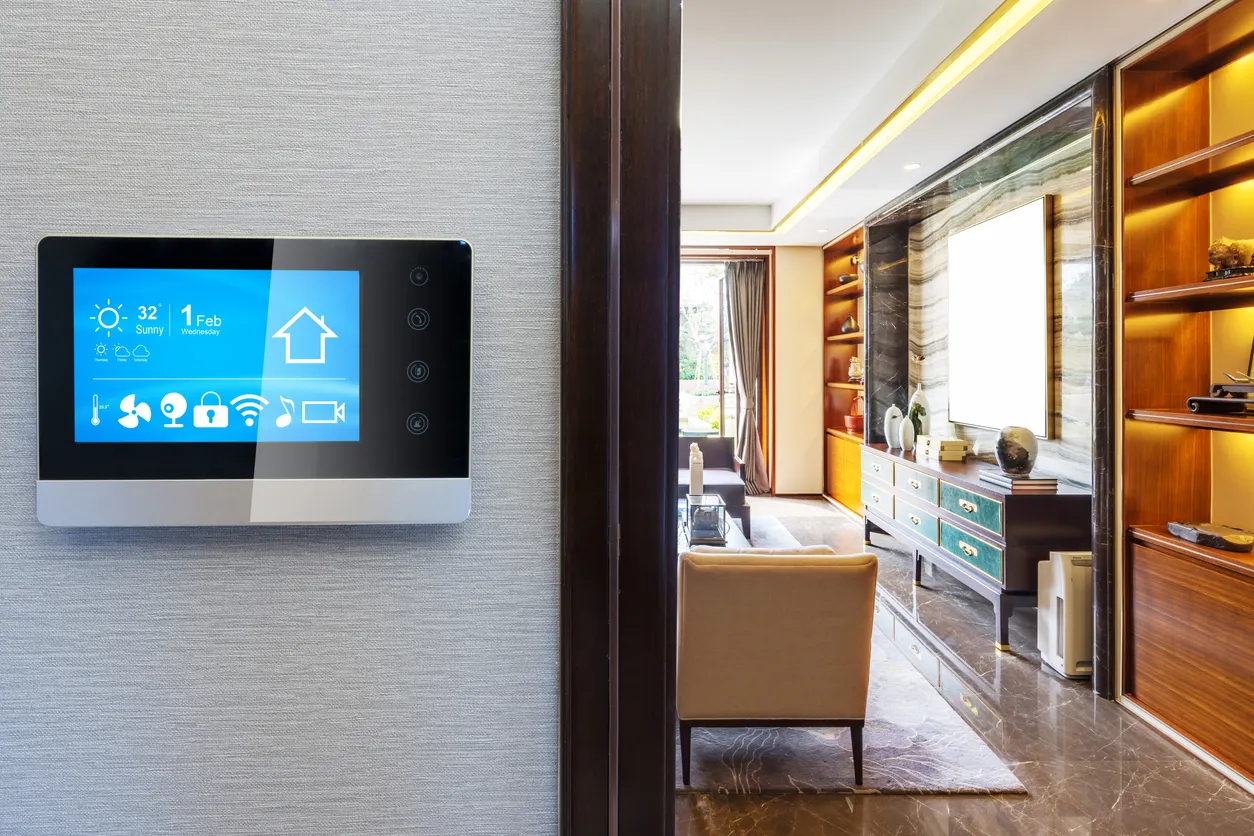
Smart thermostats represent a highly practical and impactful upgrade that empowers your HVAC system to utilize energy far more intelligently and efficiently. These innovative devices are capable of learning your household’s patterns and preferences, automatically adjusting heating and cooling schedules so that your system operates only when it’s truly needed, thereby eliminating wasteful energy consumption.
Benefits of installing a smart thermostat

Integrating a smart thermostat into your home offers several straightforward yet powerful advantages that contribute directly to energy savings and enhanced comfort:
- Better control : Smart thermostats provide unparalleled control over your home’s climate. You can easily adjust settings, create custom schedules, or even override them remotely from your smartphone, ensuring the system runs only when necessary. This precise control prevents wasted energy by avoiding heating or cooling an empty house, aligning perfectly with your actual occupancy and comfort needs.
- Clear energy reports : Many advanced smart thermostat models offer detailed energy usage data and trends, often presented in easy-to-understand reports. These insights allow you to visualize exactly how and when your energy is being consumed, helping you identify specific areas where you can further optimize settings and habits for even greater savings.
- Noticeable savings : By intelligently optimizing heating and cooling schedules, implementing temperature setbacks when you’re away or asleep, and adapting to real-time conditions, smart thermostats typically reduce heating and cooling energy consumption by approximately 10–15%. The exact savings can vary depending on your household’s specific usage patterns and the initial efficiency of your home, but the financial benefits are consistently significant.
Numerous independent studies and real-world applications consistently demonstrate the effectiveness of smart thermostats, particularly when their advanced technology is thoughtfully combined with conscious user behavior to maximize energy efficiency.
How scheduling and remote control lower your bills
One of the most compelling features of smart thermostats is their ability to simplify the creation of energy-efficient schedules that seamlessly align with your daily life. For instance, you can program the thermostat to automatically lower the temperature when everyone is out of the house for work or school, and then gradually warm it up shortly before you are expected to return. Similarly, during warmer months, you can set it to raise the temperature when the house is empty and cool it down just before your arrival. These seemingly simple, automated changes prevent your HVAC system from running unnecessarily, eliminating wasted energy and accumulating into substantial savings on your utility bills over time. The added convenience of remote control means you can always make adjustments on the fly, no matter where you are.
Practical, low-cost ways to save energy with your current HVAC system
Achieving significant energy savings doesn’t always necessitate a major financial investment or a complete system overhaul. In fact, a few strategic, low-cost fixes and the adoption of mindful everyday habits can dramatically improve your current HVAC system’s efficiency and enhance your home’s overall comfort without breaking the bank. These incremental changes often yield surprisingly impactful results.
How insulation and air sealing help your HVAC work less
The integrity of your home’s insulation and air sealing plays a profoundly critical role in how hard your HVAC system has to work. High-quality insulation acts as a crucial barrier, effectively keeping heat inside your home during the colder winter months and preventing cool, conditioned air from escaping during the summer. Complementing this, meticulously sealing any gaps or cracks around windows, doors, and other penetrations stops drafts and prevents conditioned air from leaking out. By minimizing this thermal exchange, your HVAC system doesn’t have to run as frequently or as intensely to maintain steady, comfortable temperatures, leading to noticeable energy savings.
Everyday habits that reduce HVAC energy use
While individual actions may seem small, consistent and mindful habits collectively add up to substantial energy savings over time. Incorporate these simple tips into your daily routine to reduce your HVAC system’s energy consumption:
- Adjust your thermostat smartly : A simple yet highly effective strategy is to make intelligent adjustments to your thermostat settings. During the summer, try setting your thermostat a few degrees higher than usual, and in winter, set it a few degrees lower. Even a change of 2-3 degrees can lead to significant energy savings without necessarily sacrificing your comfort, especially when you’re away from home or asleep.
- Keep filters clean : This cannot be stressed enough: regularly cleaning or replacing your HVAC air filters is paramount. Dirty filters impede airflow, forcing your system to work harder and consume more energy. A clean filter ensures optimal airflow, allowing your system to operate efficiently and preventing unnecessary strain and wear on components.
- Avoid extra heat inside : Be mindful of internal heat sources, particularly during warmer months. Running heat-generating appliances like ovens, dishwashers, and clothes dryers during the cooler parts of the day (early morning or late evening) can significantly reduce the cooling load on your HVAC system. This prevents your air conditioner from having to work overtime to counteract the additional heat generated indoors.
How to monitor and optimize HVAC energy use
Actively tracking your HVAC system’s energy consumption is a powerful strategy that allows you to pinpoint inefficiencies, understand usage patterns, and prioritize fixes or adjustments that will genuinely save you money. Without monitoring, it’s difficult to know which changes are truly making a difference.
Tools that make tracking HVAC energy easy
Fortunately, several practical and accessible tools are available to help you effectively monitor your HVAC system’s energy consumption and gain valuable insights:
- Smart meters : Many utility companies are now installing smart meters that provide near-real-time energy consumption data directly to you. This granular data allows you to see exactly when your HVAC system is drawing the most power, enabling you to identify peak usage times and adjust your behavior or settings accordingly to reduce demand and save money.
- Energy monitoring apps : A growing number of mobile applications connect seamlessly with smart thermostats or directly with smart meters. These apps offer intuitive interfaces that display detailed insights into your usage patterns, historical data, and even provide personalized recommendations for saving energy. They empower you to make informed decisions about your HVAC operation.
- Historical bill review : A simple yet effective method is to regularly compare your past utility bills. By analyzing month-to-month and year-over-year trends, you can identify the impact of any changes you’ve made, such as a new thermostat setting or a maintenance service. This historical perspective helps confirm whether your efforts are translating into tangible savings.
Why data-driven optimization matters
Leveraging data to guide your HVAC adjustments is crucial for achieving the biggest and most consistent savings. For example, if monitoring data reveals that your system is running excessively during specific hours, you can adjust your smart thermostat schedule to optimize performance during those times. Similarly, if certain rooms consistently show higher energy use, it might indicate a need for better insulation or duct sealing in those areas. Continuous monitoring also shifts your approach from reactive to proactive, allowing you to make informed changes before bills spike, rather than scrambling to understand why they did.
The financial benefits of investing in energy-saving HVAC upgrades
While the initial thought of investing in energy-saving HVAC upgrades might seem daunting due to upfront costs, it’s important to recognize the significant financial benefits that accrue over time. These improvements are not merely expenses but rather strategic investments that can deliver substantial returns through reduced monthly operating costs and various available incentives, making the overall investment highly worthwhile.
Comparing upfront costs to long-term savings
When you’re evaluating potential HVAC upgrades, it’s essential to adopt a holistic perspective, balancing the initial expenditure against the projected annual savings. More efficient equipment, while often carrying a higher upfront price tag, is designed to drastically reduce operating costs throughout its entire lifespan. Calculating the estimated return on investment (ROI) for each potential upgrade is a critical step; this analysis helps you determine which improvements will provide the most significant financial payoff for your specific home and usage patterns, ensuring your money is spent wisely.
Conclusion
Taking a few practical and proactive steps now – ranging from implementing routine maintenance schedules and integrating smarter control systems to making targeted, energy-efficient upgrades – can collectively lead to a substantial reduction in your home’s energy consumption, significantly lower your monthly utility bills, and ensure a consistently more comfortable living environment. These efforts not only benefit your wallet but also contribute to the longevity of your HVAC equipment and a greener footprint. If you require assistance in prioritizing the most impactful improvements for your specific home or would like to receive a detailed estimate tailored to your unique needs, please do not hesitate to reach out to us. Our team is dedicated to helping you achieve optimal home comfort and energy efficiency.